
Custom Plastic Sprockets Made to Your Drawing
Plasticpartsmfg manufactures custom plastic sprockets for conveyor systems, food equipment, packaging machinery and automation OEMs. We support CNC machining for prototypes, small batches and special designs, as well as injection molding for repeat production.
Send us your CAD files, drawings or sample details to review chain compatibility, material options, dimensions and manufacturing process. We can customize the chain pitch, tooth count, bore, keyway, hub and split or bushing-mounted structure to suit your assembly.
- Processes
- CNC & Injection Molding
- Materials
- POM, PA, PP, PE, HDPE, PEEK, PPS
- Quantities
- Single parts to production
- Location
- Shenzhen, China
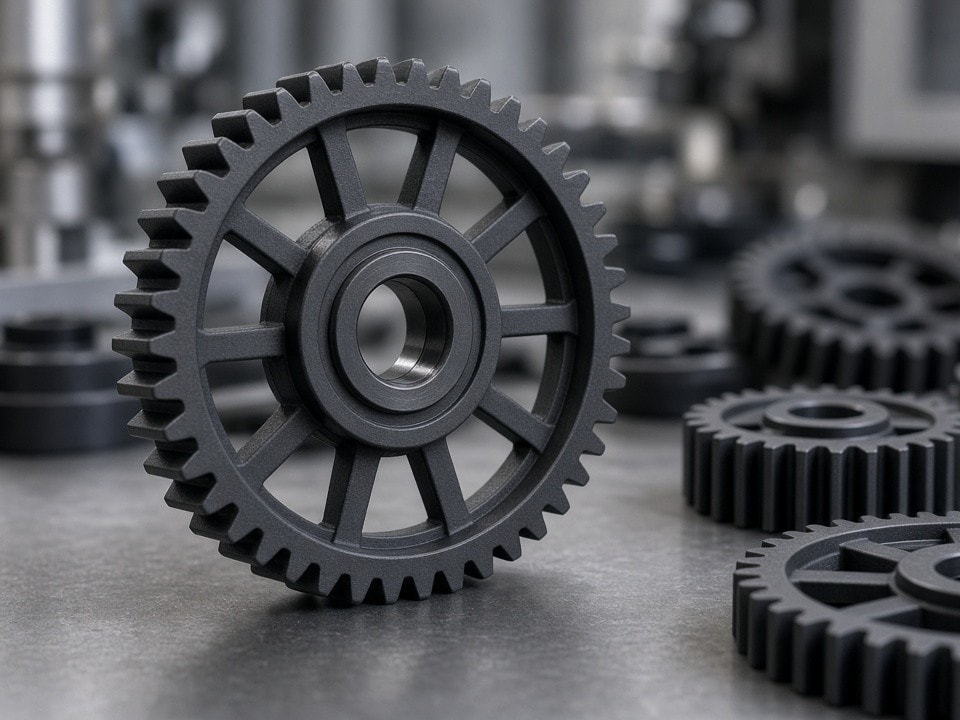
Plastic Sprocket Manufacturing at a Glance
Plastic sprockets transfer motion through direct engagement with a compatible roller chain, conveyor chain or other specified chain type. The pitch, tooth profile and alignment must match the chain and operating conditions. A mismatch can cause poor engagement, accelerated wear or noise.
Plastic can offer lower weight, corrosion resistance and quieter operation than a metal design in suitable applications. Actual wear, noise and service life depend on the material, load, speed, lubrication, temperature and environment. We review these requirements before confirming a material and process.
| Project parameter | Options and manufacturing approach |
|---|---|
| Manufacturing processes | CNC machining for prototypes, low volumes and special structures; injection molding for repeat production |
| Plastic materials | POM, PA, PP, PE, HDPE, PEEK, PPS and other available plastics, selected by application |
| Custom geometry | Chain pitch, chain type, tooth count, bore, keyway, hub, split body and bushing interface |
| Order quantity | Single parts and prototypes through production quantities |
| Engineering inputs | STEP, STP, IGES, X_T, STL, DXF, DWG, PDF or a physical sample |
| Secondary operations | Polishing, printing, engraving, bonding, assembly and packaging, as required |
| Tolerances | Set against the drawing and selected process; feasibility confirmed during review |
| Manufacturing location | Shenzhen, China |
Plastic Sprocket Types We Can Customize
Sprocket geometry varies with chain design, drive layout, mounting method and available space. We review the full assembly interface—not only the outside diameter—so the proposed part can be evaluated against your chain and shaft requirements.
Plastic Roller Chain Sprockets
Roller-chain series, pitch, tooth count and tooth profile.
Plastic Conveyor Sprockets
Conveyor-chain type, engagement geometry, bore and mounting arrangement.
Plastic Split Sprockets
Split line, fastener layout and installation clearance for fitting around an installed shaft.
Plastic Idler Sprockets
Chain compatibility, bore or bearing interface and operating clearance.
Plastic Double Sprockets
Two chain rows, row spacing, tooth counts and alignment.
Plastic Hub Sprockets
Hub length, hub diameter, bore, keyway and retention method.
Plastic Plate Sprockets
Plate thickness, mounting holes, bore and available installation space.
Plastic Tabletop Chain Sprockets
Tabletop-chain profile, pitch, tooth count and conveyor engagement.
Plastic Modular Belt Sprockets
Belt type, tooth profile, shaft interface and alignment across the conveyor.
Custom Bore Sprockets
Bore diameter, keyway, flat, spline or other specified shaft connection.
If your sprocket is part of a proprietary or modified chain system, include the chain drawing, part number or sample with your RFQ. This helps us assess pitch and engagement requirements before quoting.
CNC Machining for Prototypes and Special Designs
CNC machining is suited to one-off sprockets, engineering samples, small production runs and designs that need a custom bore, hub, split body or other nonstandard feature. It avoids the need for an injection mold, which can make it a practical route when you need to validate fit or operation before committing to tooling.
We machine custom plastic components to supplied CAD files, drawings or sample requirements. During review, we check the sprocket’s critical interfaces, including the chain-engagement geometry, bore, keyway, hub dimensions and mounting features. Any tolerance that may affect fit or operation should be identified on the drawing or called out in your RFQ.
For product development, CNC-made parts can help your team check assembly clearances and test a design before selecting a production process. If you expect repeat orders or increasing quantities, we can also review whether the design is suitable for injection molding.
Injection Molding for Repeat Production
Injection molding is generally better suited to stable production quantities where the part design and material have been established. The process requires tooling, so mold cost, part geometry and expected order volume should be considered together.
We review the sprocket design and production requirements before quoting. Relevant inputs include annual or batch quantity, plastic material, tooth and hub geometry, bore requirements, appearance needs and any secondary operations. Where appropriate, we can discuss tooling and molded-part production as part of a broader manufacturing plan.
| Consideration | CNC machining | Injection molding |
|---|---|---|
| Typical project fit | Prototypes, low volumes and unusual structures | Repeat production and established designs |
| Tooling | No injection mold required | Mold required |
| Design changes | Easier to revise between parts or batches | Mold changes may be needed after tooling |
| Part geometry | Suitable for many drawing-defined custom forms | Must be reviewed for moldability and tooling |
| Quote information | CAD, material, quantity and critical tolerances | CAD, material, quantity, mold requirements and secondary operations |
The right process depends on your geometry, quantity, lead-time needs and expected design changes. We can review both routes when you are moving from a prototype toward production.
Materials for Wear, Load and Operating Conditions
Material choice affects tooth wear, stiffness, impact behavior, noise, dimensional stability and performance in the surrounding environment. We select from available plastics according to the application rather than treating one resin as suitable for every sprocket.
POM
A dimensionally stable material option for many machined or molded components.
PA (Nylon)
A tough engineering plastic option where strength and wear behavior are important; moisture and operating conditions should be considered.
PE or HDPE
A plastic option for applications where chemical resistance and impact behavior are relevant.
PP
A lightweight option for applications with suitable load and temperature requirements.
PEEK or PPS
Engineering plastic options for more demanding operating conditions, subject to design and cost review.
Material grades and availability vary. For food-processing or other regulated environments, specify the required grade, applicable regulations and documentation in your inquiry. We do not assume food-contact compliance based on the generic resin name alone.
Dimensions, Fits and Sprocket Details
A useful sprocket drawing identifies the chain interface and the features that locate or retain the part. We manufacture to agreed drawings and review critical dimensions against the selected process before confirming a quotation.
| Feature to define | Information to provide |
|---|---|
| Chain engagement | Chain type or series, pitch, roller or link dimensions, and tooth profile if available |
| Tooth geometry | Tooth count, outside dimensions and any reference profile or mating-chain details |
| Bore and shaft fit | Bore size, fit requirement, keyway, flat, spline or other connection |
| Hub or bushing | Hub diameter and length, bushing type, retention method and assembly details |
| Split construction | Split location, fastener positions and required installation clearance |
| Tolerances | Identify critical fits, runout or alignment requirements on the drawing |
| Operating conditions | Load, speed, temperature, exposure to moisture, chemicals, cleaning agents or lubrication |
| Quantity and finish | Prototype or production quantity, color and any surface or secondary-operation requirements |
Tolerances are confirmed against part geometry, material and manufacturing method. If a particular dimension controls chain engagement, shaft fit or alignment, mark it as critical rather than applying a tight tolerance to every feature.
Choosing a Process for Your Project
The manufacturing route should match your project stage and the amount of design certainty you have.
Prototype or engineering validation
Choose CNC machining when you need a small number of parts, have a special geometry or expect design changes. Provide the mating-chain details so the interface can be reviewed.
Low-volume or bridge production
CNC machining may suit limited quantities while you validate the assembly or prepare for tooling. The best option depends on part complexity and target cost.
Repeat production
Consider injection molding when demand is stable and tooling is justified by the expected volume. A moldability review can identify design features to discuss before tooling begins.
Conveyor and packaging equipment
Specify chain type, pitch, mounting method, operating speed and exposure to cleaning agents or process fluids.
Automation and industrial machinery
Include load, duty cycle, shaft connection and the consequences of wear or misalignment.
Food equipment
State the required material grade, cleaning conditions and any documentation or compliance requirements. These must be reviewed for the specific project.
One supplier supporting multiple processes can reduce handoff work as a project develops. We can review a prototype requirement alongside your expected repeat-production plan.
Applications for Custom Plastic Sprockets
For each application, the chain, geometry and material need to be considered together. Share the operating conditions and assembly details so we can assess the part against its intended use.
- Conveyor lines and material handling equipment
- Food-processing and packaging machinery
- Automated assembly systems and robotics
- Industrial equipment and custom machinery
- OEM products requiring special chain, shaft or mounting interfaces
Request a Quote for Custom Plastic Sprockets
Send Plasticpartsmfg your STEP file, drawing, sample details or initial project requirements. To help us assess the part and quote the right process, include:
- 1Chain type, series and pitch
- 2Tooth count and any available sprocket profile
- 3Bore, keyway, hub, bushing or split-body requirements
- 4Plastic material or operating conditions
- 5Required quantity and expected repeat orders
- 6Critical dimensions, tolerances and inspection requirements
- 7Surface finish, color, assembly or packaging needs
We will review the manufacturing route, material availability and drawing requirements before responding with quotation details. For an early-stage design, you can also ask us to review whether CNC machining or injection molding is the more suitable next step.
Request a custom sprocket quote: Send your files
Company address: Building 1, No. 8, Chenggong Industrial Park, Kukeng, Longhua District, Shenzhen
Send Your Sprocket Requirement
Share your drawing, material and quantity details. Our team will review chain compatibility and the suitable manufacturing route.