
Custom OEM manufacturing
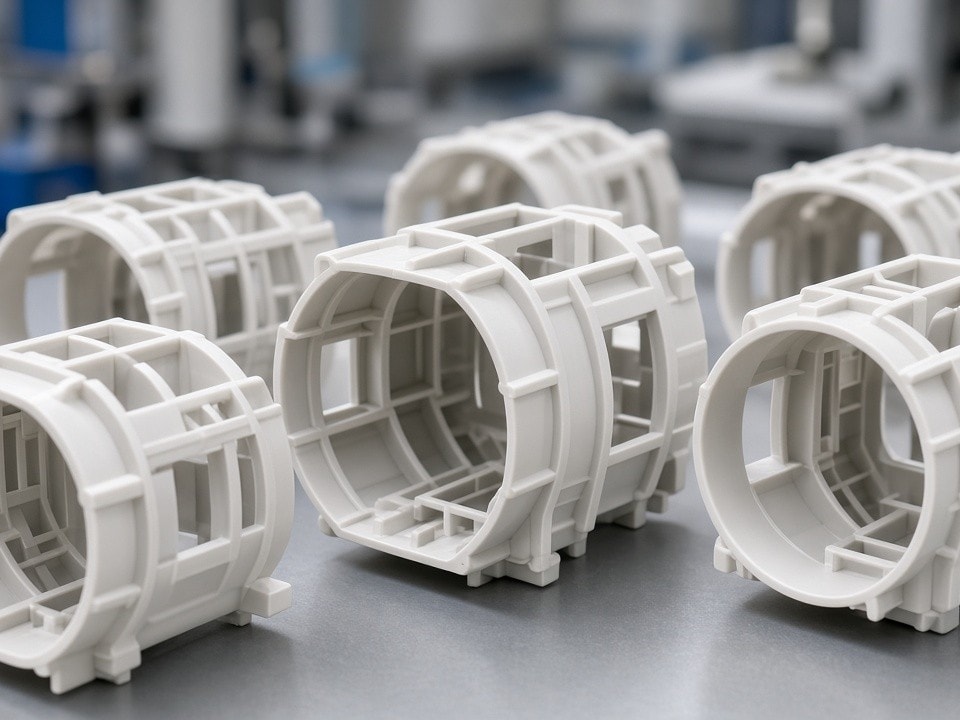
Custom Hollow Plastic Components for OEM Production
Plasticpartsmfg manufactures custom hollow plastic components for equipment, automotive, fluid-handling and industrial applications. We review blow molding, rotational molding and other suitable processes for projects ranging from prototypes and low-volume needs to repeat production.
Share your CAD files, drawings or sample details to discuss geometry, material, wall thickness, quantity and process fit.
- Geometry-ledOpenings, interfaces and internal space
- Process reviewBlow molding, rotomolding and alternatives
- Flexible stagesPrototype through repeat production
Design review
Hollow parts made to your requirements
Hollow plastic parts enclose internal space to carry air or fluids, reduce weight, protect equipment or form a shaped structure. The suitable process depends on part size, openings, wall requirements, geometry and expected order quantity.
- Overall dimensions and internal volume
- Wall thickness targets and changing section thickness
- Neck, port and interface geometry
- Ribs, mounting features and structural details
- Material, color and surface finish
- Prototype, initial production and repeat-order quantities
For a useful process review: provide a STEP, STP, IGES or X_T file where available, along with a drawing or PDF showing critical dimensions and interfaces.
Manufacturing routes
Choose a process around the part
Use these options as a starting point. Final process availability and material suitability are confirmed during quotation review.
Blow molding
Heated plastic expands inside a mold to form a hollow part. This route is often considered for enclosed components with openings, necks or ports, including reservoirs, ducts and housings. Part design, material and production volume help determine whether it is practical.
Rotational molding
Material distributes across the inside of a mold as it rotates during heating. This can suit larger or more complex hollow shapes, including tanks, chambers and structural parts. Review geometry, wall requirements and production quantity together.
Other process options
A hollow component may be better made from formed sections joined together, CNC-machined components or 3D-printed prototypes. Depending on the design, thermoforming or another suitable construction may also be reviewed alongside molding.
Part categories
Common hollow plastic component types
These categories are starting points, not fixed design rules. Process fit, wall thickness and batch economics depend on material, dimensions, features and production plan. The notes below indicate typical topics to review—not guaranteed limits or specifications.
Hollow Plastic Housings
Equipment, mechanisms or assembly enclosures. Discuss blow molding for enclosed shapes with openings; formed and joined sections may suit other geometries.
Review: wall targets around openings, mounting details and prototype-to-repeat quantities.
Hollow Plastic Reservoirs
Fluid-holding parts with ports, necks or mounting features. Blow molding can suit many vessel-like shapes; review media and interfaces.
Review: wall requirements, fluid contact and whether demand is prototype, low-volume or repeat production.
Hollow Plastic Ducts
Air or fluid paths with bends, branches or shaped ends. Blow molding may fit enclosed duct forms, subject to openings and geometry.
Review: cross-section changes, wall distribution and quantities for evaluation versus repeat orders.
Hollow Plastic Tanks
Containers for equipment or industrial systems. Rotational molding may be considered for larger forms; blow molding may fit other sizes and shapes.
Review: part envelope, internal volume, wall target and expected production stage.
Hollow Plastic Chambers
Enclosed spaces for equipment, fluid handling or process systems. Access openings, ports and joining needs inform process selection.
Review: internal space, wall requirements and quantities for prototype, initial or repeat production.
Hollow Plastic Handles
Lightweight or enclosed grips for equipment. Blow molding may suit some hollow handle geometries.
Review: wall distribution, attachment details and the intended production quantity.
Hollow Plastic Structural Parts
Lightweight hollow sections for assemblies or equipment structures. Blow molding or rotational molding may suit, depending on dimensions and features.
Review: loads, ribs, wall targets and batch plan together.
Hollow Plastic Air Channels
Enclosed air-routing components. Process fit depends on channel path, cross-section changes, openings and connection points.
Review: interface geometry, wall consistency and prototype versus repeat demand.
Hollow Plastic Equipment Components
Custom hollow parts integrated into machinery or industrial devices. Molding or multi-part construction may be considered.
Review: assembly interfaces, critical walls and current plus forecast quantities.
Custom Blow Molded & Rotomolded Hollow Parts
OEM parts designed around a specific function or installation. Compare geometry, material, wall targets and order volume to identify a suitable route.
Review: part size, changing wall sections and prototype, low-volume or repeat-production needs.
Wall thickness is not a one-size-fits-all specification. Share target values, critical areas or sample measurements so the design can be reviewed against the intended process.
Engineering inputs
What we review for custom manufacturing
Provide the part requirements and intended use so design details, material choices and production stage can be considered together.
Design files and specifications
We work from customer CAD files, engineering drawings, samples and written specifications. Identify critical dimensions, tolerances, surface expectations and assembly needs.
STEP, STP, IGES, X_T, STL, DXF, DWG and PDF
Materials and operating conditions
Material options for project review include ABS, PP, PE, HDPE, PVC, PC, PMMA, PET, POM, PA, PBT, PPS, PEEK, PSU and PPSU. Not every material suits every process or design.
Include media contact, temperature requirements, operating environment and intended use.
Interfaces and structure
Necks, ports, mounting points, connection surfaces, ribs and other structural details affect fit and function.
Share mating-part information or assembly drawings when interfaces are critical.
Wall thickness and internal space
Wall targets, internal volume and shape transitions influence part function and manufacturing feasibility. Note nominal requirements and areas needing special attention.
Where requirements allow flexibility, share performance needs for process comparison.
Quantity and production stage
We support projects from a single prototype to production quantities. A route that works for evaluation parts may not be best for repeat production.
Include your current quantity and estimated ongoing demand.
Finishing and assembly
Secondary operations include polishing, painting, printing, engraving, bonding, assembly and packaging.
Describe visible surfaces, color or texture, and whether the part is supplied as a finished assembly.
Initial process guide
Match the route to the project
A final recommendation requires review of the part and order details. If you are unsure, send the design and expected quantities before committing to a manufacturing route.
Application fit
For OEM and industrial buyers
We work with customers developing plastic components for equipment, vehicles, fluid systems and custom assemblies.
- Industrial equipment and machinery
- Automotive applications
- Fluid-handling systems
- Automation and robotics
- Electronics and equipment enclosures
- Laboratory and test equipment
- Custom OEM assemblies
For application-specific requirements such as media compatibility, operating conditions or fit with existing equipment, include the relevant details with your drawings for manufacturing review.
Prepare your RFQ
What to include in your request
Clear part and production details help us review process fit and prepare a quotation more directly.
- 01CAD files and dimensioned drawings, if available
- 02Part name, intended function and application
- 03Material preference or operating requirements
- 04Overall dimensions, wall targets and critical interfaces
- 05Required quantity, including expected repeat demand
- 06Surface finish, color, assembly and packaging needs
- 07Any sample or reference part information
Request a quote
Discuss your custom hollow plastic part
Plasticpartsmfg is based in Shenzhen, China, and supports prototype, low-volume, bridge-production and contract-manufacturing projects. Send your drawings or CAD files to discuss blow molding, rotational molding and other suitable manufacturing options.
Email: [email protected]
Address: